Fed Interest Rate Hike 2026: Why Kevin Warsh’s Words May Matter More Than the Decision Itself
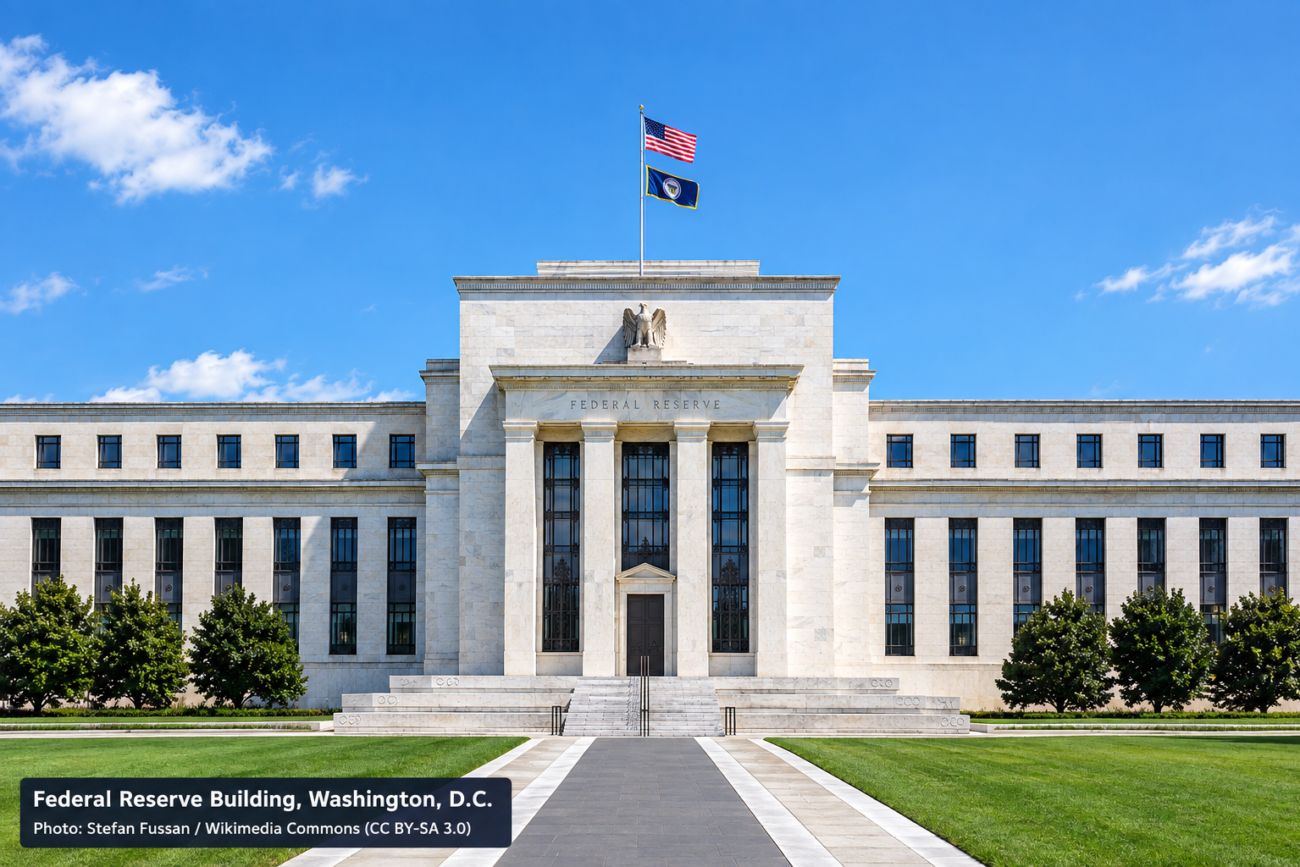
The Federal Reserve is widely expected to raise interest rates this week for the first time since 2023. On paper, that alone is a significant shift after more than two years without a hike. But according to economists tracking the meeting closely, the size of the move may end up mattering less than how Fed Chair Kevin Warsh chooses to describe it.
Markets have already priced in the increase. What they have not priced in with any certainty is what comes next — and that uncertainty is exactly where the real risk to investors, borrowers, and everyday savers now sits.
A Rate Hike the Market Already Expects
Heading into the decision, market pricing put the odds of a quarter-point increase at greater than 90%. If confirmed, the move would push the federal funds rate from the 3.50%–3.75% range up to 3.75%–4.00%.
That is a notable reversal. Rate hikes have been essentially off the table since 2023, and President Donald Trump, who appointed Warsh to lead the Fed earlier this year, has publicly said he expected his pick to lower borrowing costs, not raise them. Trump has also threatened new import tariffs if the Fed does not cut rates.
Yet the case for a hike has been building for months. Inflation has stayed stubbornly above the Fed’s 2% target, global borrowing costs have been climbing, and Warsh himself has faced questions about whether he would resist political pressure to keep rates low.
Three Fed policymakers already dissented in favor of raising rates at the July meeting, and several others have said publicly they were prepared to vote for a hike unless inflation showed clear signs of cooling. So far, it hasn’t.
Why the Press Conference May Matter More Than the Vote
According to Robert Sockin, chief U.S. economist at PGIM, the real signal from this meeting will come from how unified the committee is and what tone Warsh sets afterward. A unanimous vote, paired with projections pointing to further hikes in 2026 and into 2027, would send a strong message to markets that the Fed is serious about fighting inflation.
The risk, economists say, runs the other way: if Warsh raises rates but frames the move as a minor, one-time “calibration,” investors could interpret that as weak resolve — and react accordingly.
Warsh has said he wants to avoid committing to a specific rate path. But his August speech at the Jackson Hole economic symposium already hinted at the kind of language that could resurface this week. There, Warsh warned against a “hall of mirrors,” cautioning that policymakers can get trapped if they start reacting to market expectations that are, in turn, just reflecting what investors think the Fed is about to do.
Inflation That Refuses to Cool
The core problem driving this week’s decision is inflation that has not budged. The Personal Consumption Expenditures Price Index — the Fed’s preferred inflation gauge — rose at a 3.7% annual pace in both June and July, well above the central bank’s 2% goal. New data due later this month is expected to show little meaningful change.
Several factors have kept price pressures elevated: oil prices climbing back above $100 a barrel, new tariffs on Canadian imports, the threat of additional duties, and continued economic growth fueled in part by heavy spending on artificial intelligence infrastructure.
Warsh acknowledged the challenge directly at Jackson Hole, saying policymakers need to see clear evidence that underlying inflation is moving toward target “at sufficient speed” — and that recent data has not shown meaningful improvement.
The Bond Market Is Already Moving
Inflation isn’t the only force pushing the Fed toward higher rates. Global bond markets are doing some of the work themselves. The yield on the 10-year U.S. Treasury climbed above 5% this week, touching a 19-year high.
That matters well beyond Wall Street. Treasury yields are the benchmark for consumer borrowing costs, including mortgage rates, which remain elevated despite the administration’s promises to bring down the cost of living — an issue that could weigh heavily on the ruling party’s chances in November’s midterm elections.
There’s also a political wrinkle here: a hike that reinforces Warsh’s inflation-fighting credibility could actually help keep long-term rates in check. If markets doubt his resolve, they may demand even higher yields to compensate for expected future inflation — the opposite of what a rate hike is supposed to achieve.
Not everyone agrees a hike is even necessary. Analysts at Standard Chartered have argued the Fed should hold off this week, pointing to what they describe as a market echo chamber that pushed up rate-hike expectations without much new incoming data to justify it.
Key Numbers Behind This Week’s Decision
| Metric | Figure |
|---|---|
| Current federal funds rate | 3.50% – 3.75% |
| Expected new rate range | 3.75% – 4.00% |
| Market-implied odds of a hike | Greater than 90% |
| PCE inflation (June & July) | 3.7% annualized |
| Fed’s inflation target | 2.0% |
| 10-year Treasury yield | Above 5% (19-year high) |
| Last rate hike before this one | 2023 |
| FOMC dissents favoring a hike (July meeting) | 3 policymakers |
What This Could Mean for Your Finances
A quarter-point move might sound small, but the ripple effects reach well beyond Washington. Here’s where it’s likely to show up first:
- Mortgages and home loans. Rates tied to the 10-year Treasury, including many mortgage products, are already elevated. A hawkish tone from Warsh could push them higher still.
- Credit cards and variable-rate debt. Interest tied to the prime rate typically moves in step with Fed policy, meaning existing balances could get more expensive to carry.
- Savings accounts and CDs. On the flip side, higher rates have historically meant better yields for savers, particularly in high-yield savings accounts and short-term certificates of deposit.
- Investment portfolios. Equity markets tend to react sharply to the tone of Fed communication, not just the decision itself, which is why Wednesday’s press conference could move markets more than the statement itself.
For anyone managing debt, building an emergency fund, or deciding whether to lock in a mortgage rate now versus later, this is a moment to pay close attention to the Fed’s language, not just its numbers.
What Happens Next
Beyond Wednesday’s decision, the Fed will release updated quarterly economic projections — the so-called “dot plot” — showing where individual policymakers expect rates to land by the end of the year. In June, the committee was evenly split, with nine of nineteen members projecting the need for at least one more quarter-point hike by year-end, and nine anticipating rates would hold steady or even decline slightly.
Warsh, notably, has said he dislikes the dot plot format and did not submit his own projection last time. Whether he does so this time — and how investors read whatever signal he gives — will likely shape market expectations heading into the final months of 2026.
The Bottom Line
This week’s Fed decision is close to a formality at this point; the real story is what Kevin Warsh says once the vote is in. A confident, unified message could reassure bond markets that inflation is being taken seriously. A hesitant or overly cautious tone could do the opposite, pushing long-term borrowing costs even higher despite the hike meant to contain them.
For households and investors alike, the practical takeaway is the same either way: rates are moving, and it’s worth reviewing debt, savings, and investment plans with that shift in mind rather than waiting to see how it plays out.
This article is for informational and educational purposes only and does not constitute financial, investment, or legal advice. Interest rate movements, inflation data, and market conditions can change quickly. Readers should consult a licensed financial professional before making decisions based on Federal Reserve policy changes.
Explore More on Lenadre
Sources referenced: Reuters (via syndicated republication), Federal Reserve (federalreserve.gov), Kiplinger, CNBC, Charles Schwab, Wells Fargo Investment Institute.
